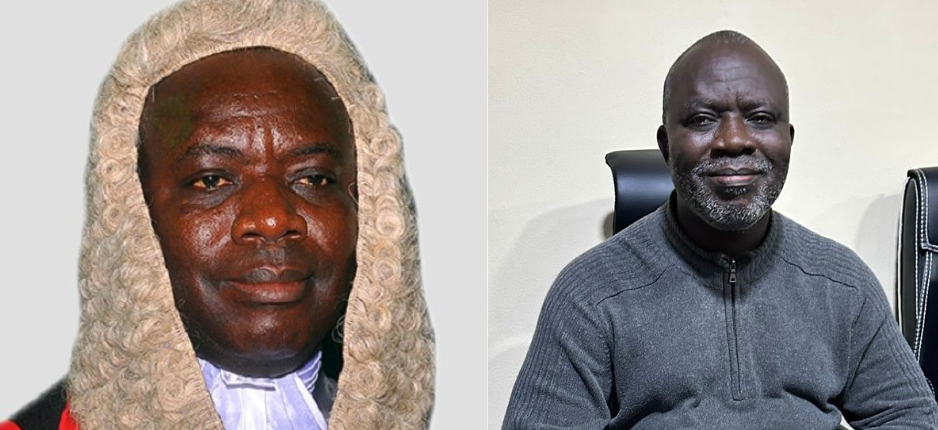




A major conflict has erupted at the University of Abuja as Acting Vice Chancellor, Professor Aisha Maikudi, and Air Vice Marshal Saddiq Isma'ila Kaita, Chairman of the Governing Council, clash over governance. The turmoil has raised serious concerns over its potential impact on the institution’s stability and academic environment, as accusations of procedural breaches and power struggles come to light.
Professor Maikudi, a respected law scholar and the university’s youngest professor of law and notably, the first woman to serve as Acting VC took up her post after Professor AbdulRasheed Na'Allah’s tenure ended on June 30, 2024. In a letter dated November 6, addressed to the Minister of Education through the National Universities Commission (NUC), Maikudi expressed grave concerns about the conduct of the university’s Council, alleging it is jeopardizing the institution's stability and governance.
The dispute centers around recent attempts by the university’s governing council, allegedly led by Kaita, to bypass standard selection procedures in a bid to install Maikudi as the substantive Vice Chancellor. According to reports from sources, Maikudi’s elevation was initially orchestrated by former VC Abdul-Rasheed Na'Allah, in an effort to repay a longstanding debt to Maikudi’s father, who supposedly helped secure Na’Allah’s position five years prior. The claims point to an alleged relaxation of qualifications to favor Maikudi’s appointment, sparking debates on transparency within the institution’s selection processes.
Professor Maikudi, however, has raised her own grievances against Kaita and the Council, asserting that recent actions by the Chairman have undermined her authority and disrupted the administration’s smooth operation. She highlighted the controversial appointment process for the university’s bursar, alleging “serious breaches of procedure and undue interference.” Maikudi described how Kaita appointed a consultant with excessive influence, undermining the Joint Senate and Council Bursar Selection Board and bypassing required protocols, such as the presence of a Federal Ministry of Education representative. When she resisted endorsing the final report under pressure, the process stalled, while Senate representatives withheld their signatures in a sign of dissatisfaction.
At the university’s recent 70th Extraordinary Council Meeting, Maikudi further noted, Kaita unilaterally announced the bursar’s appointment without Council endorsement. She described this as “blatant disregard for due process,” adding that it has “compromised the legitimacy of the selection process.”
Maikudi also highlighted another area of concern—the appointment of an Acting Registrar. According to her, she recommended the most senior deputy registrar for the role, but her choice was rejected by Kaita on “unsubstantiated legal grounds.” She claims this “unrelenting interference” undermines her statutory role and threatens the university’s orderly conduct.
Adding to the tension, Maikudi alleged misuse of university resources in the form of “extraordinary meetings,” which she claimed are convened on short notice for non-urgent issues. She argued that these gatherings have become a financial drain, further stressing the university’s already limited resources and delaying critical agenda items such as staff promotions and disciplinary matters.
Professor Maikudi’s letter emphasized that these issues reflect “a troubling trend with serious consequences for established governance standards,” endangering the university’s stability, credibility, and effective management. In her plea for intervention, Maikudi urged for immediate corrective action to “restore order, confidence, and a responsible governance system.”
This letter, which was also sent to Pro Chancellor and Chairman of Council Kaita, signals an escalating crisis that, unless resolved, could impact the future governance and reputation of the University of Abuja.